8
UN Sustainable Development Goal
SDG 8: Decent Work and Economic Growth
Employment, enterprise, productivity and inclusive economic growth.
StoneComms uses the UN Sustainable Development Goals as an editorial classification framework. Relevance does not imply UN affiliation, endorsement or measured impact.
← Browse all researchResearch linked to this goal
Credit Enhancement for African Infrastructure: Converting Guarantees into Investable Project Pipelines
Africa does not lack announcements about private capital. It lacks enough projects whose risks are allocated, priced, monitored and disclosed well enough for private capital to stay. A new €500 million financing for Benin, South Africa's planned infrastructure credit-guarantee vehicle, Nigeria's InfraCredit model and a multi-country renewable-energy guarantee framework show four different ways public institutions can strengthen a transaction. StoneComms examines when guarantees create additional investment - and when they simply replace visible public borrowing with less visible contingent risk.
Read research →Local-Currency Infrastructure Finance in Africa: Converting Domestic Savings into Investable Assets
Africa’s financial institutions already hold substantial domestic savings. Yet infrastructure projects that earn in naira, shillings, rand or CFA francs are still frequently prepared for foreign-currency lenders, short-tenor banks or public balance sheets. New guarantee facilities in Nigeria and East Africa, together with a 2026 West African local-currency facility, show that the missing link is not simply money. It is the machinery that turns projects into assets pension trustees can prudently buy.
Read research →
Africa's Digital Infrastructure: From Submarine Bandwidth to Local Economic Value
Submarine cables have redrawn Africa's connectivity map. The next investment test is whether bandwidth can leave the landing station, be exchanged and processed locally, reach firms at a competitive price, and support work that generates income. Djibouti's exceptional cable position shows why geography creates an option—not an outcome.
Read research →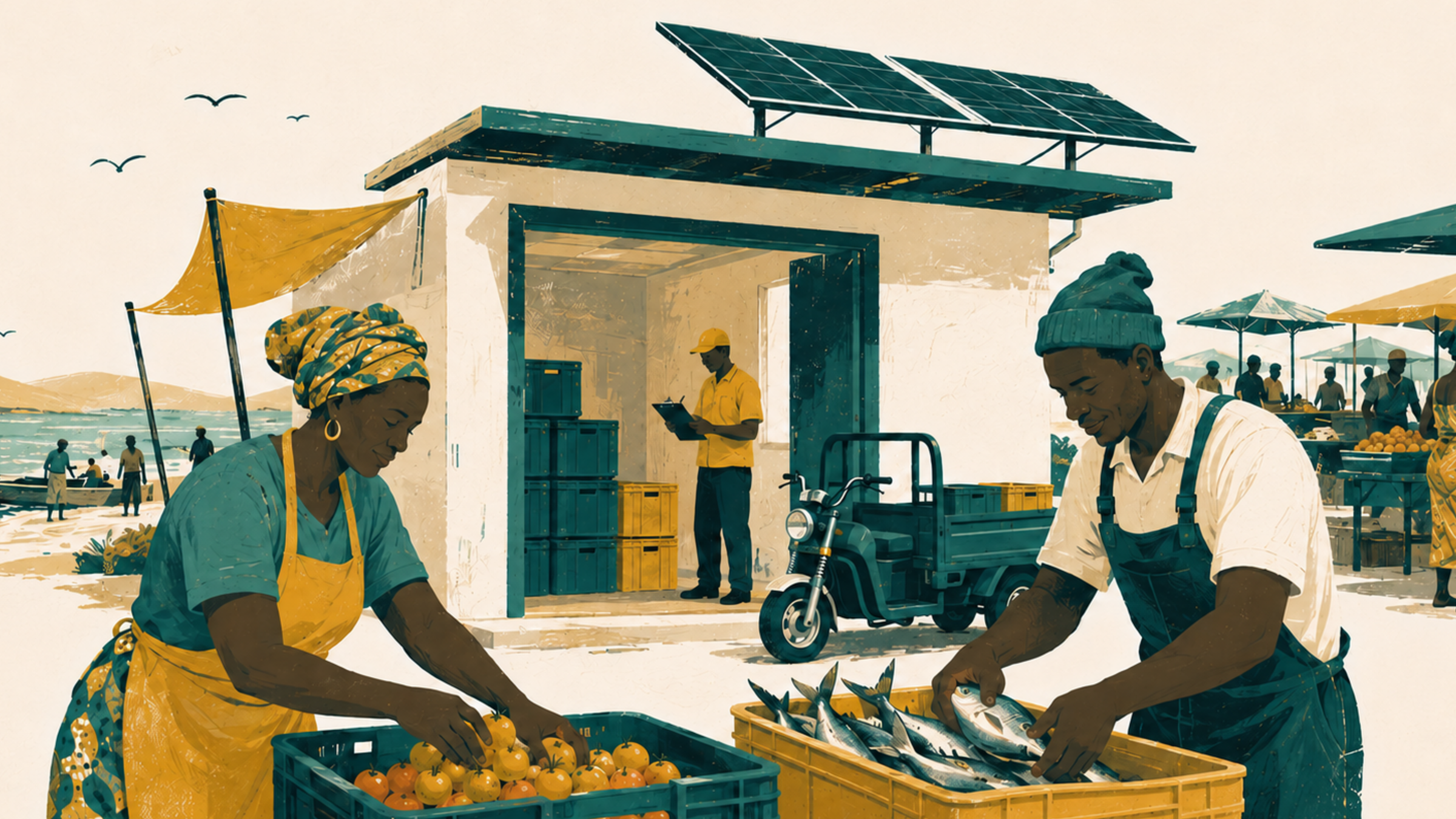
Africa's Cold-Chain Infrastructure Gap: Service Design, Utilisation and Market Access
Africa does not only lose food because it lacks refrigerated rooms and vehicles. It loses value because farmers, fishers and traders often cannot buy reliable time: a few extra hours to aggregate, grade, negotiate and reach a better market. New 2026 evidence makes the scale of the opportunity clearer, while underused facilities show why hardware-led programmes fail. StoneComms proposes a Cold-Chain Service Test for turning cooling assets into durable market infrastructure.
Read research →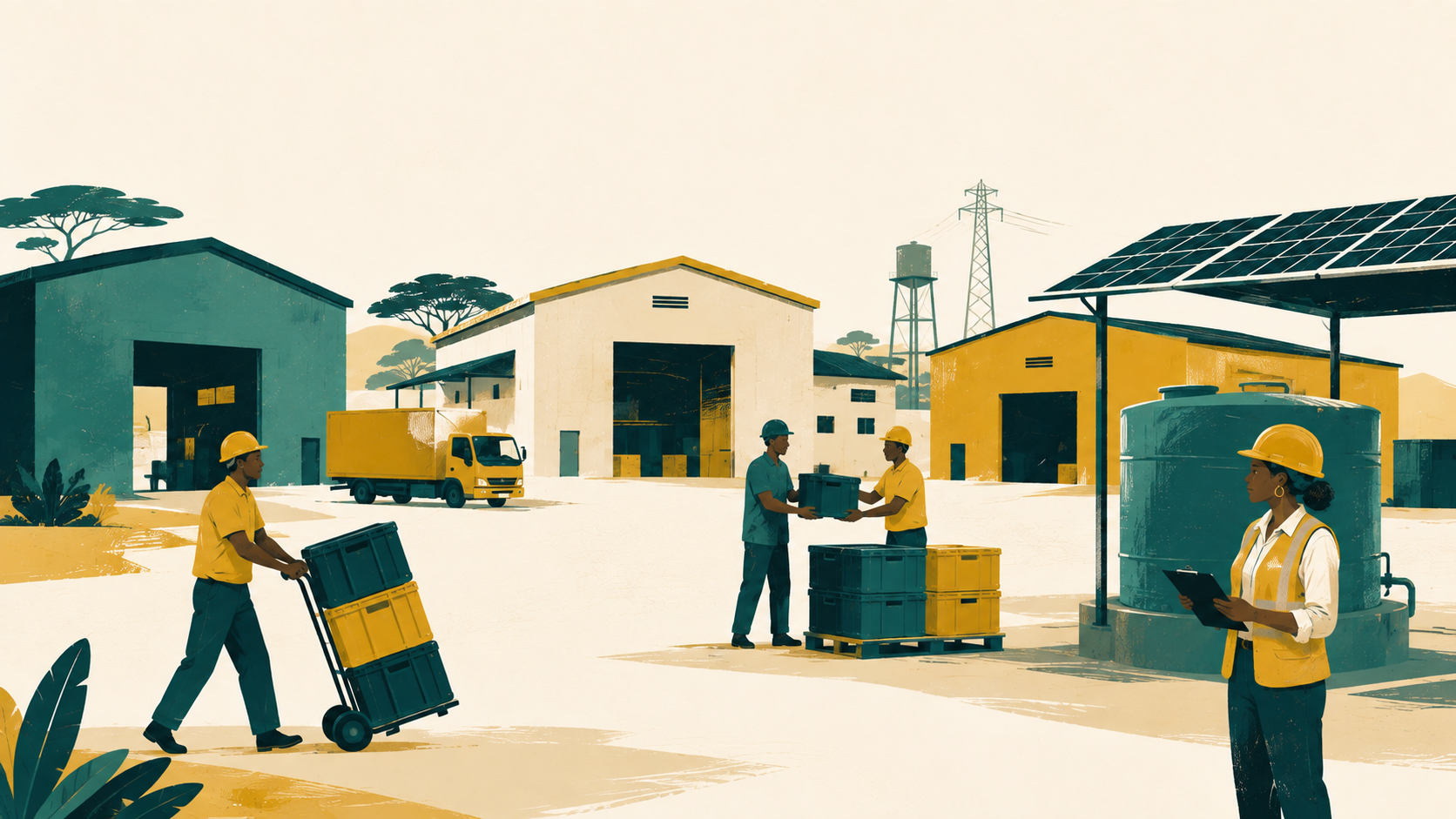
Industrial Symbiosis in African Industrial Parks: Shared Infrastructure and Competitiveness
Rwanda is preparing to expand its industrial parks while studying how Korea turned waste heat, wastewater and by-products into competitive infrastructure. The lesson is larger than circular economy. Africa's zones can lower production costs, improve resilience and satisfy tougher export standards if park operators are equipped to measure, match, contract and finance exchanges between firms. StoneComms proposes a Symbiosis Readiness Test for deciding where that promise is commercially real - and where it is still decorative.
Read research →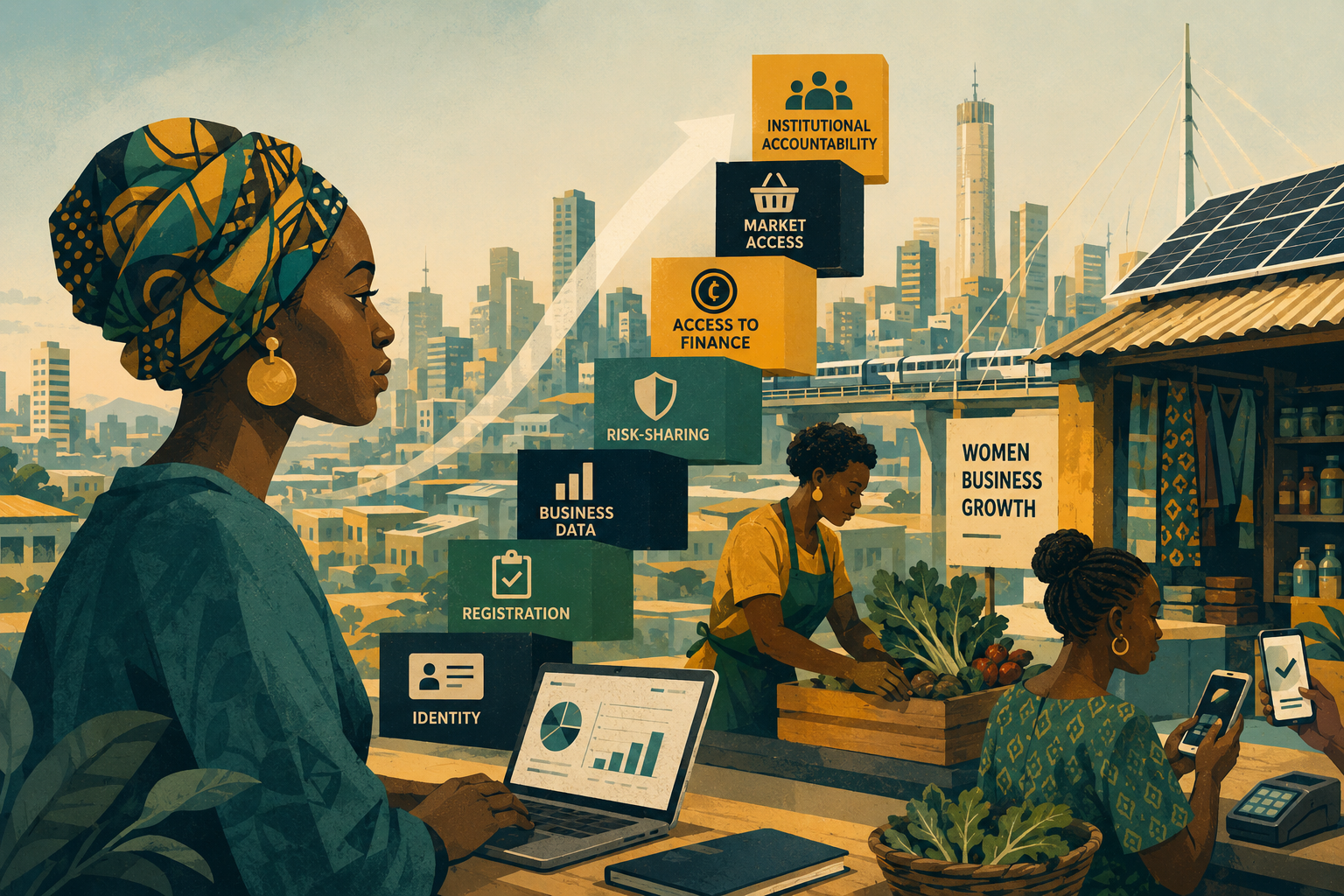
Women's Business Finance in Africa: Identity, Data, Risk-Sharing and Market Access
Africa's women-business finance market is attracting smarter capital, from first-loss guarantees in Kenya to dedicated credit lines and guarantee platforms across the continent. But the latest institutional evidence points to a deeper constraint: capital cannot reach firms that remain difficult to identify, register, assess, collateralise, serve and connect to markets. StoneComms proposes a Financeability Stack that treats those preconditions as investable infrastructure rather than side projects.
Read research →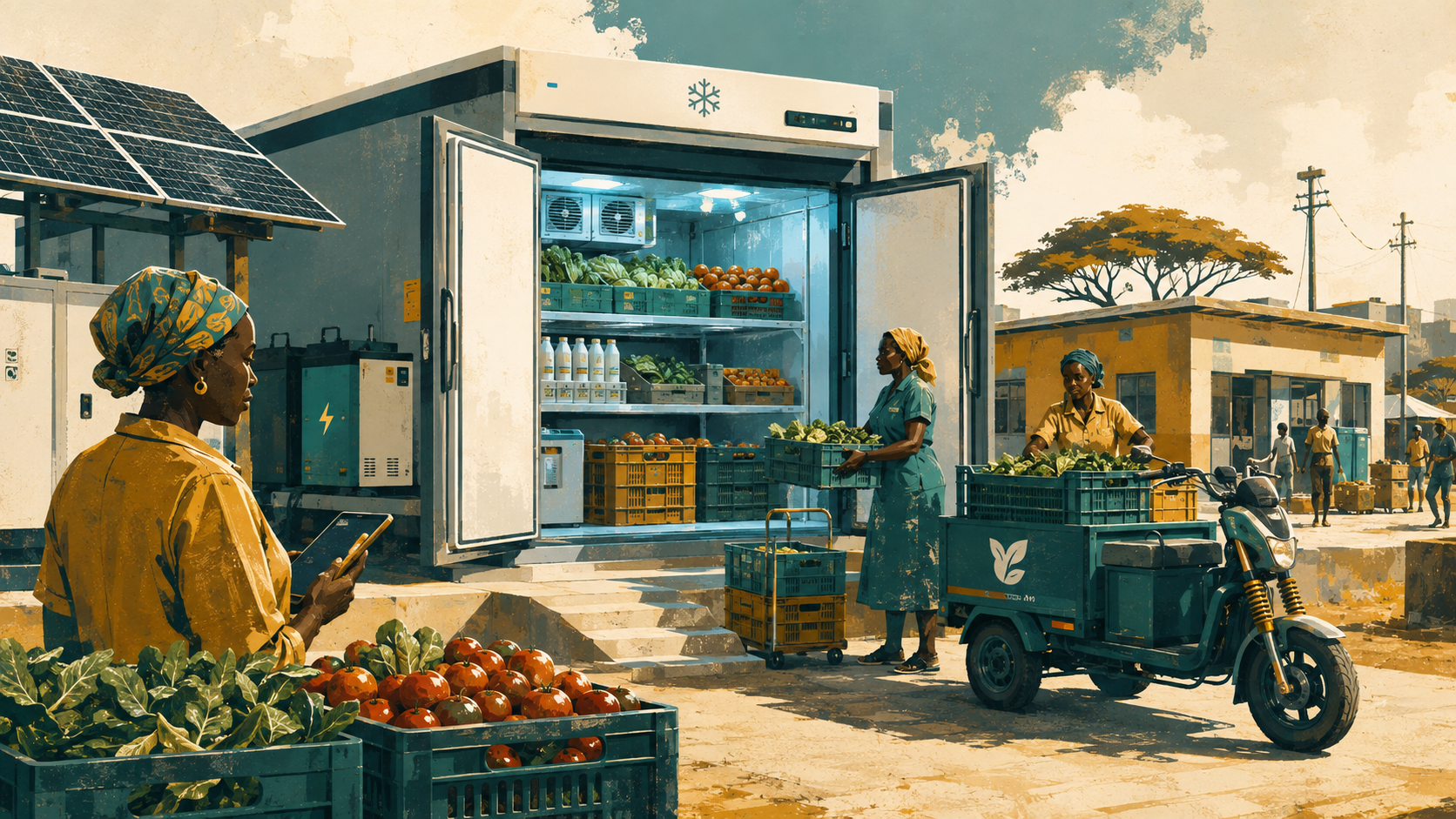
Productive-Use Electrification in Africa: From Connection to Economic Activity under Mission 300
Mission 300 is accelerating electricity connections across Africa. The next challenge is making those connections economically durable. StoneComms finds that farms, small businesses, clinics, schools, cold chains and mobility can do more than benefit from electricity: they can become the anchor loads that improve the economics of distributed power itself.
Read research →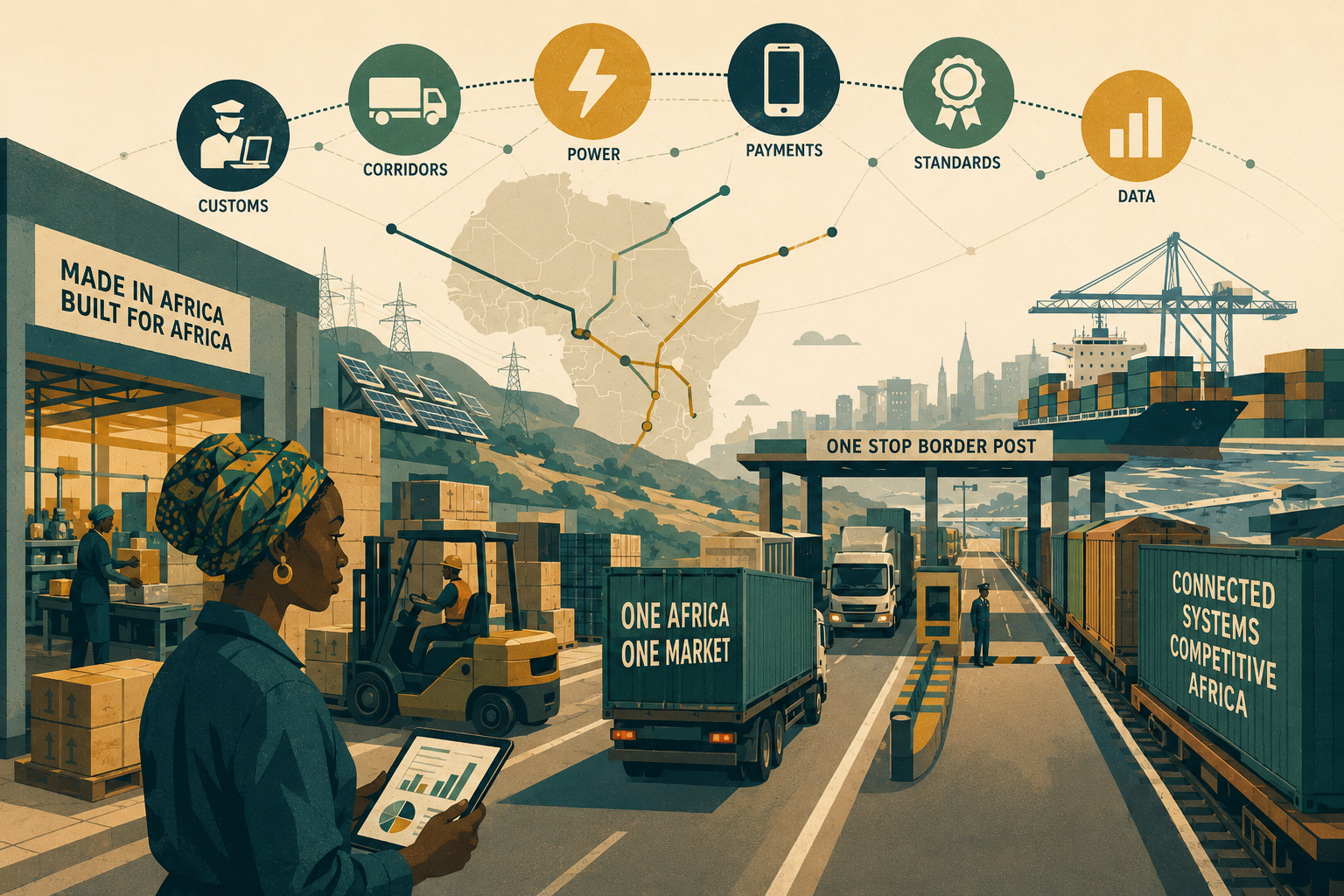
African Trade Integration: Customs, Corridors, Power, Payments and Standards as a Production System
Africa has built the legal architecture for a continental market. The harder task is making the systems firms use every day work across borders. StoneComms tests that challenge against live reforms in East, West, Central and Southern Africa and finds a practical investment implication: regional infrastructure should be financed as an operating system, not a collection of assets.
Read research →